If you’ve given a whole blood or double red blood cell donation before, you likely know that your body loses some iron with each donation. Taking a daily supplement or multivitamin containing 18 mg of iron and eating iron rich foods can help you replace this iron.
Below, you will find answers to some commonly asked questions related to iron and blood donation that we hope you find useful. If you have additional questions about iron and blood donation, please reach out to us at 888-723-7831.
Why is iron deficiency important?
If a donor’s total body iron stores are low enough, it can lead to anemia (low hemoglobin levels). However, some donors may have depleted iron stores despite having normal hemoglobin levels. Iron deficiency with anemia can cause the following adverse effects: cognitive dysfunction, fatigue, pregnancy-related complications, decreased exercise endurance, and pica (the desire to compulsively ingest non-food substances such as ice or clay). Most iron deficient blood donors do not have anemia. The adverse effects of non-anemic iron deficiency are less clear, but studies suggest that it may impair quality of life.
The following blood donors have an increased risk of developing iron deficiency: young donors (specifically teenage donors), premenopausal donors, frequent blood donors and donors with hemoglobin values near the minimum for eligibility.
What can I do to replace iron I lose through donation?
Eating a well-balanced, iron-rich diet is helpful; however, diet alone may not replace all the iron lost from blood donation. Taking multivitamins with iron or iron supplements can restore iron stores more quickly than a healthy diet alone.
What type of iron supplement should I take?
Frequent blood donors including whole blood, double red blood cell, and platelet/plasma apheresis donors should consider taking a multivitamin with iron or an iron supplement along with vitamin C to improve absorption to replace the iron lost during blood donation. Approximately, four platelet/plasma apheresis donations result in a similar red cell (iron) loss as a unit of whole blood.
A dose of elemental iron of 18 to 28 mg taken daily for 60 days is sufficient to replace the iron lost during donation. The lower dose (18mg) available in multivitamins minimizes side effects like upset stomach, constipation or loose stools. Iron supplements may affect the absorption of other medications and may not be recommended for everyone, including people with iron overload syndromes like hemochromatosis. You should check with a physician or pharmacist familiar with your health history before taking any new dietary supplements. Iron-containing products should be kept out of the reach of children to prevent accidental poisoning.
Would larger doses replace my iron faster?
Because there is a limit to iron absorption — a few milligrams a day — taking larger doses for a shorter time will not increase absorption and will result in more side effects. The goal is to gradually replace the iron lost during donation.
How often can I donate?
Donors ages 16-18 are eligible for a whole blood donation once every six months (180 days) or a double red blood cell donation (DRBC) once every 12 months (365 days). Donors 19 years of age or older are eligible for a whole blood donation every 56 days or a DRBC donation every four months.
If you are deferred at any point for low iron (hemoglobin), a supplement or multivitamin with 18 mg to 28 mg of iron and eating an iron rich diet may help to boost your levels. A deferral due to low hemoglobin levels is temporary, so come back soon!
Hemoglobin & Your Health
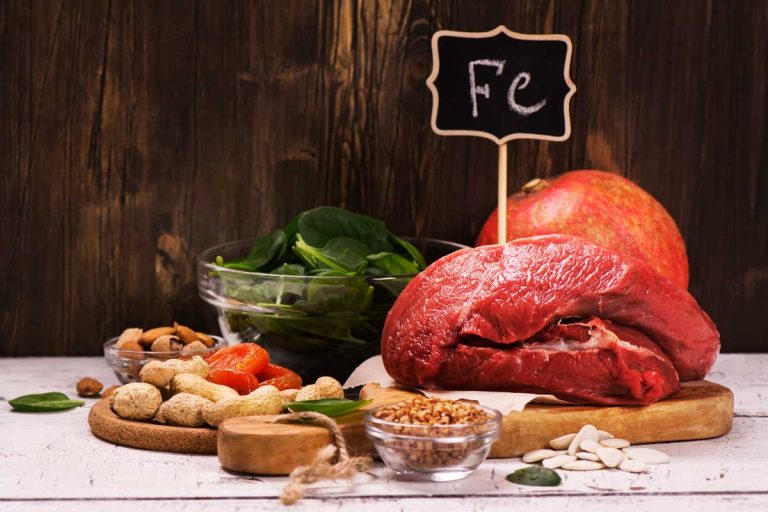
Most of the iron in your body is found in the hemoglobin molecule of your red blood cells. For the safety of both donor and patient, your hemoglobin level must be at least 12.5 g/dL for women and 13.0 g/dL for men and nonbinary donors to give blood. The most common causes of a low hemoglobin count are a low-iron diet, frequent blood donation, and menstrual blood loss. Other less likely but more serious causes of low hemoglobin include arthritis, diabetes, kidney disease, stomach ulcers, colon cancer, medications, and other diseases of the digestive tract. Consult your doctor if you want to rule out these possibilities.
A great way to get enough iron is to have a healthy, well-balanced diet. Heme iron, found in meat, fish, and poultry is more easily absorbed by the body than non-heme iron, which is found in plant sources. The absorption of iron from non-heme sources is enhanced when vitamin C is eaten at the same meal or snack. Conversely, some foods hinder the absorption of iron. Additionally, taking a daily supplement or multivitamin containing 18 mg of iron can help ensure you are getting enough iron. Visit our Iron and Blood Donation page to learn more.
Boost your hemoglobin count with these sources of heme iron:
- beef
- chicken
- tuna
- pork
- lamb
- shrimp
- halibut
- oysters
These sources of non-heme iron are a big help, too:
- Cream of Wheat
- nuts
- cooked spinach, asparagus, mushrooms and green beans
- baked potatoes
- legumes (beans and lentils)
- soy beans
- tofu
- avocado
- dried apricots
- dates
- raisins
- whole wheat bread, cereals, and pastas
- bran/bran flakes
- quinoa
- oatmeal
- breads fortified with extra iron
- iron supplements
- anything prepared in iron cookware
These sources of vitamin C help your body absorb non-heme iron:
- citrus fruits
- tomatoes
- red or green bell pepper
- kiwi
- grapefruit juice
- chard
- broccoli
- strawberries
- cantaloupe
- papaya
These foods will hinder your body’s ability to absorb iron:
- coffee
- tea (even decaffeinated)
- dairy products
- foods high in dietary fiber
- wine
- beer
- colas
- calcium supplements
You may also consider taking an iron supplement in addition to your dietary iron intake.